
Vape detectors, in contrast to traditional smoking detectors, are specifically designed to detect distinctive substances and aerosols that are produced by electronic cigarettes. They are equipped with advanced vape sensors, which monitor the quality of air in real time by detecting chemicals such as THC as well as nicotine as well as other hazardous chemicals. Once vaping is detected, the system will immediately alert you that allow quick intervention.
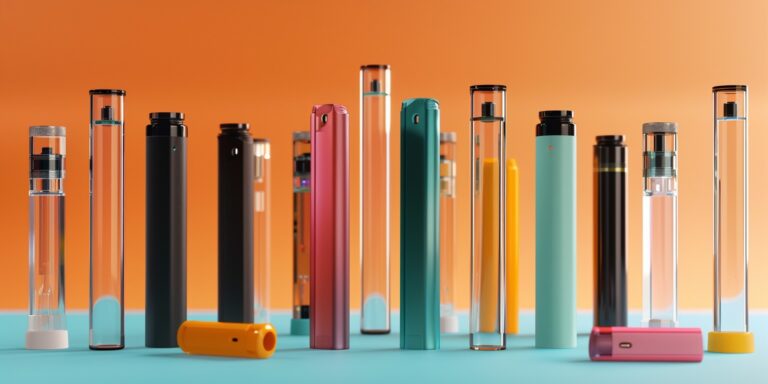
Image credit: tritonsensors.com
To address vaping in schools effectively, modern vape detectors are equipped with unique capabilities that go beyond traditional detection. Here are a few features which make vape detectors indispensable to fight the growing vaping epidemic.
1. AI-Powered Substance Recognition : By using artificial intelligence that detects vapes, it can develop over time and learn to adapt. They distinguish between harmless airborne particles like steam, and dangerous substances, such as nicotine and THC. This advanced capability reduces false alarms as well as ensuring accurate detection specifically tailored to school environments.
2. Customizable Sensitivity Setting : Schools are of all sizes and shapes, with different environments. Administrators can now alter the sensitivity setting of particular areas, such as restrooms, locker rooms and hallways. This lets them enhance performance in accordance with the specific needs of each area.
3. Tamper-resistant design : Vape detectors have durable materials and have tamper alert systems to ensure that they remain functional regardless of whether students attempt to disable or block them. If an incident of tampering is detected administrators are immediately notified. This improves security and reliability.
4. Behavioral Pattern Recognition: Modern Vape Detectors can be used for recognising patterns in behaviour, like gatherings in secluded locations. This feature allows for schools to deal with problematic behavior, and foster a safer atmosphere.
5. Integration with School Communication Systems : Advanced vape detectors have the ability to connect seamlessly with all school-wide communication systems, including messaging apps or PA systems. This feature lets the school staff to receive real-time notifications without affecting the wider school community.
6. Energy-Efficient Operation: New vape detectors are designed to be sustainable and require minimal power. This allows for long-term operation without the need for regular maintenance. This is especially beneficial for schools with large campuses, where numerous devices are required to effectively cover the campus.
7. Odor Analysis to Improve detection: Vape detectors employ odor analysis to identify scented electronic cigarettes the vapors are difficult to detect. This can lead to greater detection, which makes it easier to capture even the discreetest vaping activity.
Vape detectors: What role do they play in schools
Implementing vape detection at schools is more than just a method of detecting smoking. It’s a proactive move towards a healthier and more focused learning environment.
Enhancing Student Safety
Vape detectors can assist in minimize exposure to harmful substances by identifying them early. This protects students from both immediate and long longer-term health risks.
Promoting Accountability
Instant alerts help students be accountable for their conduct, emphasizing the importance of adhering strictly to school rules and encouraging responsible behavior.
Promoting Prevention
Schools can develop more comprehensive strategies to prevent the use of vape detectors. They’ll gain a thorough insight into the vaping issue. It is crucial to involve parents, educate students on the risks of vaping and offer support to those suffering from addiction.
Vape Detection Technology and its Effect
Schools who have installed advanced vape detectors experience a huge decrease in vaping-related incidents. In Texas for example there was a Texas high school recorded an increase of 75% in reported cases following the installation of vape detectors in restrooms and locker room. Vape detectors also were incorporated into the safety protocols of a California school district. This witnessed improved behavior among students and less disciplinary measures.
These success stories show how technology can be used to create a positive impact in the field of education.
Building a Comprehensive Strategy Against Vaping
Although vape detectors can be an effective tool, they are best when they are incorporated into the larger strategy. Schools must:
1. Students should be taught Conduct regular meetings to talk about the dangers of smoking cigarettes. Emphasize its potential dangers to health as and any effect it may have on the future job opportunities.
2. Engage Parents: Give parents the tools they need to detect the signs of vaping and also encourage your children to make healthier choices.
3. Encourage open communication: Let students to voice their concerns about peer pressure, vaping and other problems that affect their health.
4. Collaboration with Community Partners: Strengthen anti-vaping initiatives by working with law enforcement agencies in your area authorities and health organizations.
The Way to Safer Schools
Vape detectors, which are the most advanced in the market and can aid in tackling this issue. They combine real-time detection with monitoring of multiple substances, and data-driven insights the devices enable schools to take control of vaping and create a healthier school environment for their students.
However, the battle against vaping is not limited to technology. A holistic approach that involves the involvement of parents, education, and a community-wide collaboration is necessary to address this issue effectively. These strategies and tools can help schools create a healthier and safer future for children.
Act now if your school is struggling with the vaping epidemic. You should consider the purchase of smoke detectors to detect vapes to ensure the safety of students and your campus. Let’s clean the air so that all students can thrive and flourish in secure, positive surroundings.