
Consider the apps that are in your phone right now. You open them daily without even thinking about the loops of habit. Your thumb is aware of which direction to take. The effortless natural, second-nature interactions is an abundance of human psychology as well as highly technical engineering. Modern users have the highest standards for digital stutter. If a screen on their mobile slows down even a tiny bit of a second, is slow on poor cellular signal or loses a message, they delete the message within minutes. For funded founders and growth-oriented enterprise teams there is no reason why the stakes cannot be higher. It’s more than just an appealing website or smooth surface for launching a digital service. It is imperative to establish the support of a prominent mobile app creator that can create human retention from the very beginning stages of production.
How to navigate the constantly shifting rules and regulations of ecosystems
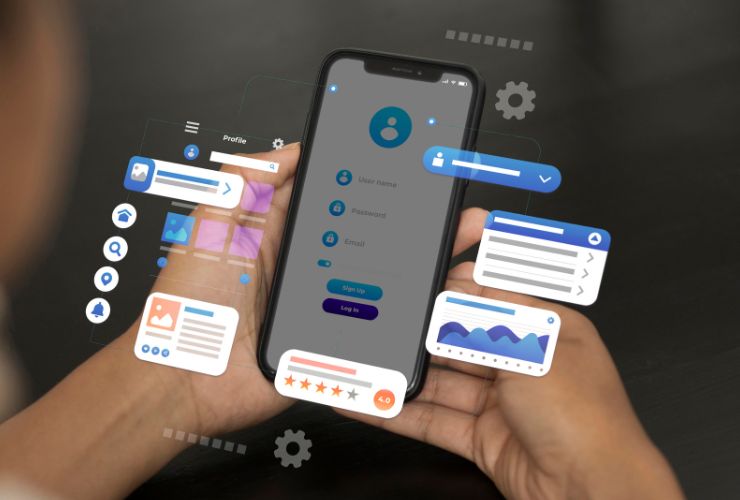
The development of mobile apps is a unique and challenging field in comparison to traditional web engineering because you are essentially creating on sand that is moving. Apple launches a new operating system every in the fall. It includes stricter privacy guidelines, eliminates outdated codes and also changes the review process for apps. Google has its own timeline. It is constantly changing how notifications work and how background processes affect phone battery. The product you are developing could be damaged in the event that your team isn’t aware of the changing rules. This can lead to bad reviews and broken features. Businesses should hire mobile team members who see their work not as only a single code sprint, but as an ongoing process. Release engineering is an ongoing process that guarantees that automated shipping pipelines are active and secure at every operating system modification.
The Native Experiences at the Crossroads
When mapmaking out a new mobile roadmap, product creators inevitably reach a critical structural crossroads: determining the way in which code interacts with physical hardware. Choosing dedicated iOS app development services gives teams direct, uncompromised access to Apple’s latest native frameworks, allowing for butter-smooth animations and deep ties to specialized features like HealthKit or biometric security. The investment you make in Android app development ensures that your app can handle the wide range of screen sizes and processing capacities across the global market. Native architecture is the best choice for businesses that rely heavily on the use of devices for example, like interacting with low-latency Bluetooth devices, tracking the location of your device in real-time, or providing frictionless checkout flow using native billing systems.
Cross-Platform Engineering: Speeding up the production time
Funding constraints and pressures from rivals can put an increase in the resources of a variety of organizations. Selecting a top cross-platform application development strategy can solve this issue by allowing a unified development team to build and test one code base that functions smoothly on both platforms. This hybrid approach slashes the traditional timeframe for launching by months, and allows companies to gather real-world user feedback at only a fraction of the cost. Brands can create stunningly stylized and perfect user interfaces by choosing an Flutter app development company that is specialized in this technology. This guarantees visual consistency across every device. This cross-platform approach, backed up by robust background data syncing and automated testing, creates the ideal balance of speedy entry into the market and high-performance execution.
The art of creating sustainable long-term user engagement
The effectiveness of mobile launches can be judged by the long-term behaviors of customers, not just short-term download spikes. A good mobile design incorporates key behavioral triggers right into the tech stack, ensuring that onboarding processes are effective within the first sixty seconds in addition to ensuring that local data stores effortlessly during sudden drops in cellular and that notification systems respect the focus of the user. It doesn’t matter if your team wants to ship an agile minimum viable product that can prove the market’s acceptance or is deploying an enterprise system that requires strict compliance with data and compliance, the primary focus is the same. By adhering to a well-defined, highly predictable engineering rhythm through Digital Heroes that respects your users’ time and performance, you can build an effective digital asset that builds deep loyalty, leads to continuous business growth, and is visible on users’ screens for a long time to come.