
For one customer, the appeal of the wig’s coloring is offset by a cap that becomes uncomfortable after several hours. Another appreciates the natural-looking hairline but doesn’t want to spend twenty minutes adjusting the lace every morning. A third customer purchases an attractive wig and discovers that its density creates a heavier feel than expected.
There is more value in these comments than a wig business might initially see. They reveal opportunities to develop products people will genuinely enjoy wearing.
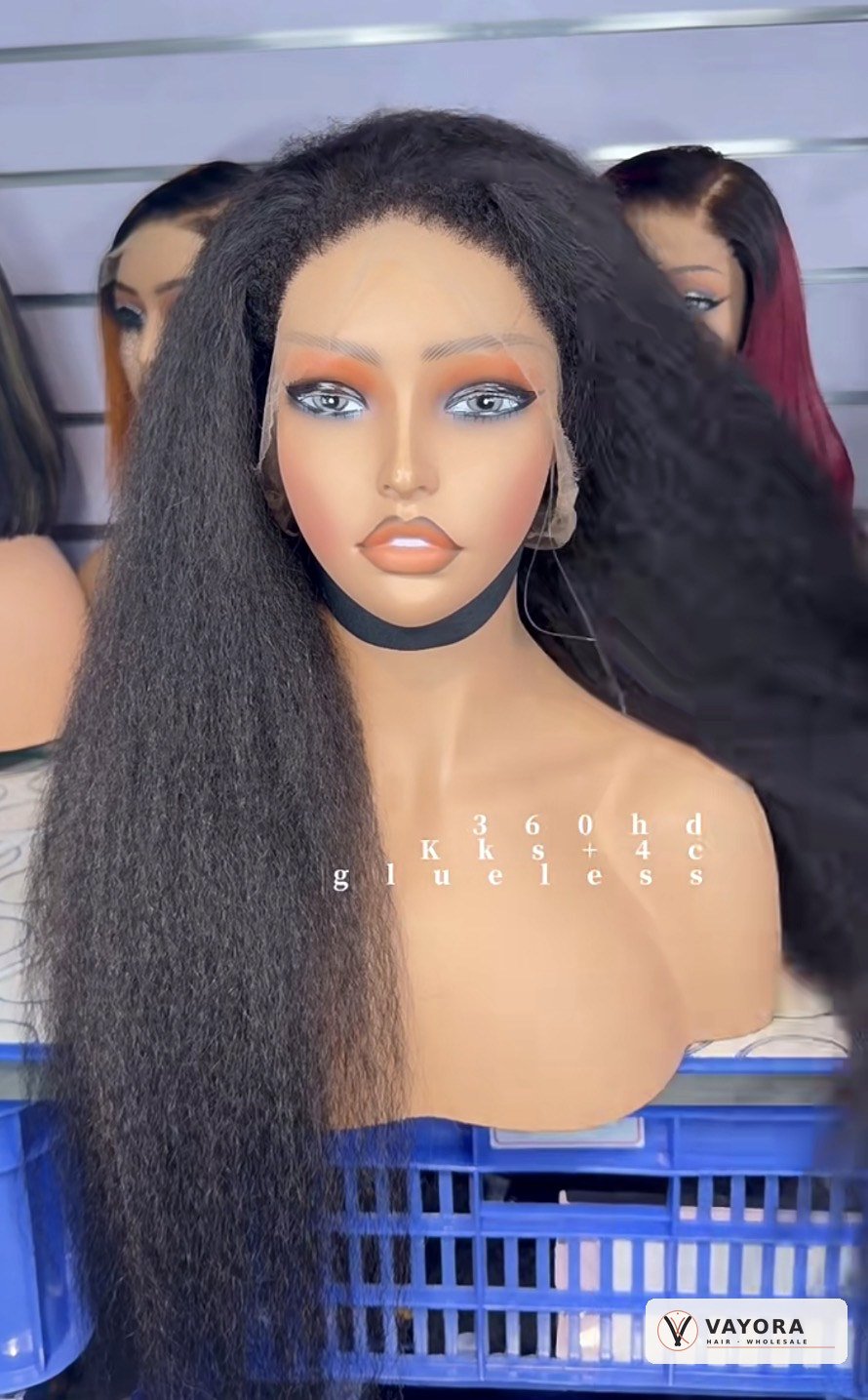
Image credit: vayorahair.com
Successful wig collections aren’t necessarily built around the latest viral hairstyle. The foundation is a clear understanding of the wearing experience that buyers are looking for.
Understand the Issues Customers Encounter
Buyers seldom use production terminology to explain what they need. The language customers use reflects everyday concerns: comfort, convenience, appearance, and confidence. When a buyer asks for an easier start to the day, a glueless construction may be worth exploring. If customers find the hairline unrealistic, the team may need to review knot treatment and the look of the lace, along with the density or design of the part.
When selecting a human hair wig manufacturer China brands should look for the ability to understand ordinary customer concerns and express them as measurable product specifications.
Instead of simply requesting a 22-inch body-wave wig, a buyer can define the intended wearing experience, cap fit, lace construction, hairline appearance, and finished weight. Such precision provides the development team with a clearer objective.
Give Your Private Label Range a Recognizable Identity
Rather than defining their own range, many emerging brands follow the products currently in demand. The result can be a collection that looks remarkably similar to competing stores.
Choosing a private label wig manufacturer China retailers can work closely with gives brands an opportunity to create a more consistent identity across the range. That might mean creating a lightweight everyday collection, a premium natural-hairline range, or ready-to-wear wigs designed for customers who prefer minimal preparation. Every choice, from length, texture, and color to density, cap construction, and packaging, should reflect the same promise to customers. Rather than relying solely on limited-time savings, a recognizable collection offers shoppers another motivation to shop again.
Go Beyond the Glueless Label
The term “glueless” sounds simple, but the wearing experience depends on several construction details. A comfortable and secure fit depends on cap sizing, adjustment features, attachment components, lace preparation, and hairline design.
A glueless wig manufacturer China buyers choose should help clarify these requirements before production begins. For a range intended for beginners, the priorities may include density that is easy to manage, pre-cut lace, and straightforward adjustments. Different design customization choices might be necessary in a collection aimed at hair professionals. Neither approach is automatically better. The two approaches address the needs of different customers.
Sampling Protects the Brand’s Reputation
Even a good product photograph provides only part of the information about a wig. Buyers need to examine how the cap fits, how the hair moves, whether the color matches expectations, and whether the finished construction reflects the approved design. Reviewing samples allows buyers to spot differences before placing a larger order.
Repeat production makes documented specifications and quality-control procedures especially valuable for a wholesale human hair wigs supplier. The success of the first batch may be challenging to replicate without clear points of reference.
Build a Collection That Can Grow
For B2B wig brands, retailers, and distributors, VAYORA supports product development, private label services, sampling, specification control, and repeat-production workflows. Its approach connects customer expectations with the physical details that determine how a wig looks, fits, and feels.
A catalog expansion should follow a careful review of customer feedback, identification of the strongest product opportunities, and establishment of explicit approval standards. The next collection’s success may have little to do with the number of additional styles. Instead, success may come from making fewer compromises in the styles customers already seek.