
A lift station might eventually be transformed into a concrete structure filled with pumps, piping, valves, controls, and electrical devices, but its performance is largely assessed earlier. Flow calculations, site elevations as well as system pressure as well as wastewater characteristics, peak conditions access to maintenance, controls and the capacity of the future will all determine the final design of the structure.
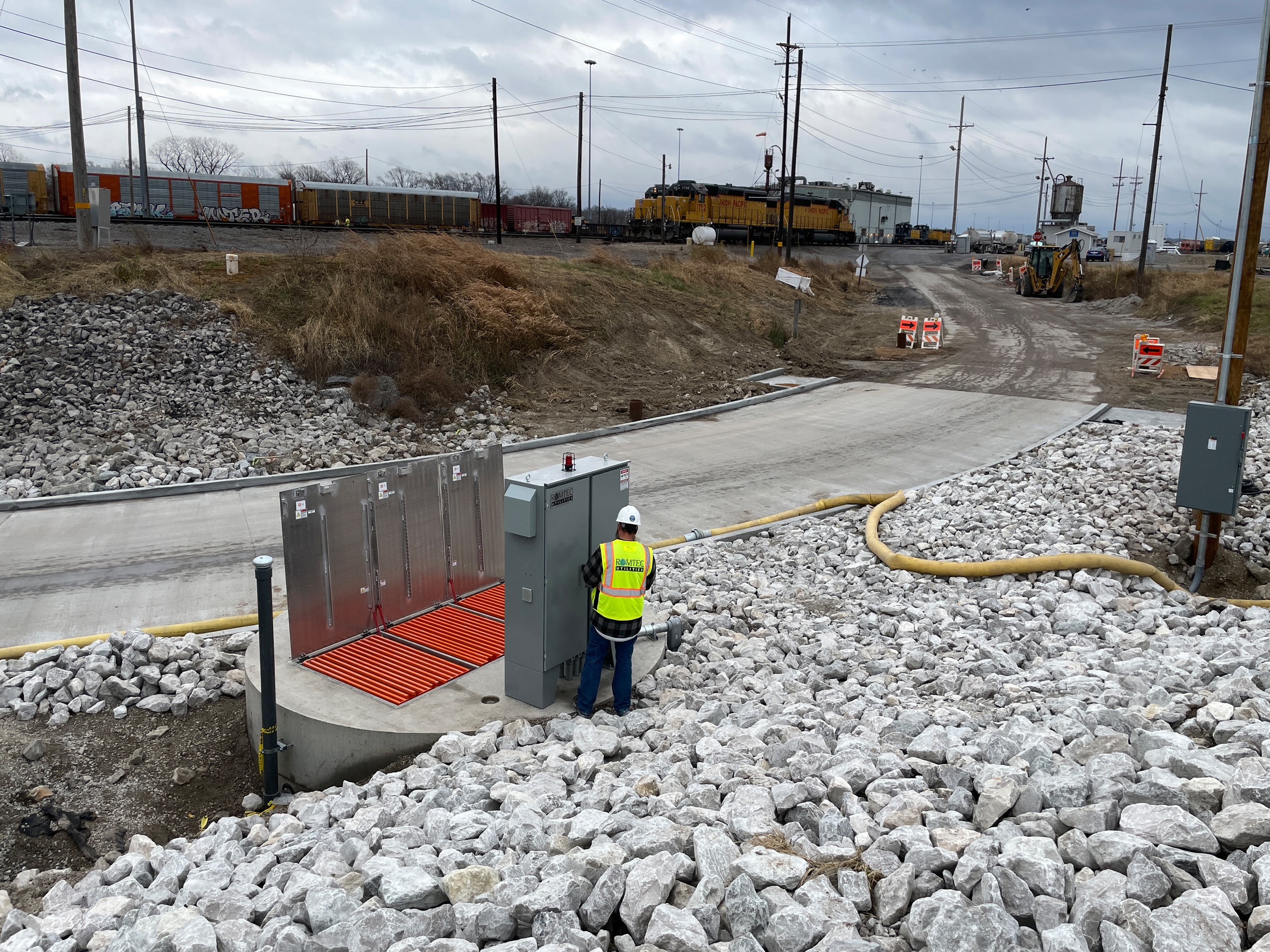
Image credit: romtecutilities.com
For project owners comparing the best lift station designers, the more useful question isn’t simply who can specify pumps. It’s not about who can specify pumps instead, but who can translate the location’s requirements and operating conditions into a system that’s practical to construct and operate as well as maintain.
Gravity has Limits
Gravity is usually the simplest way to convey wastewater, however, terrain and development patterns do not always work together. New commercial, residential and industrial developments may be too low or too far away, or in areas where the extension of gravity sewers aren’t feasible.
The lift station is the system which transports the wastewater the next location for collection. The design of a lift station requires an understanding of the normal operating conditions as well as more difficult circumstances like a high flow or maintenance of pumps malfunctioning equipment or future rises in demands.
Companies that are considered to be among the best in the world of wastewater must be thinking about the entire process of conveyance instead of focusing on stations as if they were a single item.
The existing infrastructure makes the problem more complicated
The issue isn’t the new construction. In addition to maintaining the essential infrastructure for wastewater municipalities are often required to upgrade or replace old stations.
Infrastructure in place, like wet wells and control systems, force mains along with site boundaries and downstream infrastructure, could limit the design. Engineers must consider what components can be reused as well as what components must be replaced and how the new components will fit with the current system.
Romtec Utilities offers pumping solutions for private, municipal industrial, commercial and retrofit projects. Pumping systems can be designed to meet the unique requirements of each project.
Stormwater Has Different Rules
The most skilled creators of stromwater systems utilizing the search terms that are provided will overcome a different hydraulic problem. Stormwater systems can experience extreme volume fluctuations depending on the amount of rainfall as well as other factors like the area of drainage, capacity of detention, and discharge rate.
Stations serving detention basins, for instance, may need to temporarily store runoff prior to pumping it out at a controlled pace. Engineers should take into consideration the flow and head conditions, environmental requirements and objectives for flood management, as well as the particulars of the drainage system for receiving.
Prefabrication is a way to move work from the worksite
Complex field assembly introduces opportunities for conflicting schedules, installation errors changes, delays. Romtec Utilities uses substantial prefabrication before equipment reaches the location of the project.
Making more assembly and quality-control work in a controlled atmosphere will reduce the amount of construction needed in the field. Based on Romtec’s plan approach certain projects that otherwise would take weeks could be completed in just a few days depending on the circumstances of the project.
The process of commissioning is an integral part of engineering Success
The assembly of all the components does not guarantee a station to be stable. Romtec Utilities is an installation advisor who will guide construction through startup, control-panel checks, pump operation, testing the system, and personnel education. Documentation is also provided to provide operators with information on how to keep the system running and also to consider expansion plans in the future.
For owners searching for the top lift station designers, this final stage deserves attention. An engineering plan that is successful should yield more than sketches that are acceptable. It should leave the owner with a functioning system, trained personnel, useful documentation, and equipment that is designed around the conditions the station will face in daily operation.